The project, titled: The Shared Return on Investment Research Project, has been made possible through a £375,000 grant from the Department for Science, Innovation and Technology (DSIT), awarded through the Government’s Digital Inclusion Innovation Fund.
Led by Digital Essex, the funding will support a series of community-based digital skills projects across Essex, Hertfordshire, Suffolk, Norfolk and Cornwall. These projects will:
- Develop a national methodology to measure the benefits of helping people to use digital apps
- Showcase how digital inclusion can improve lives and reduce inequalities
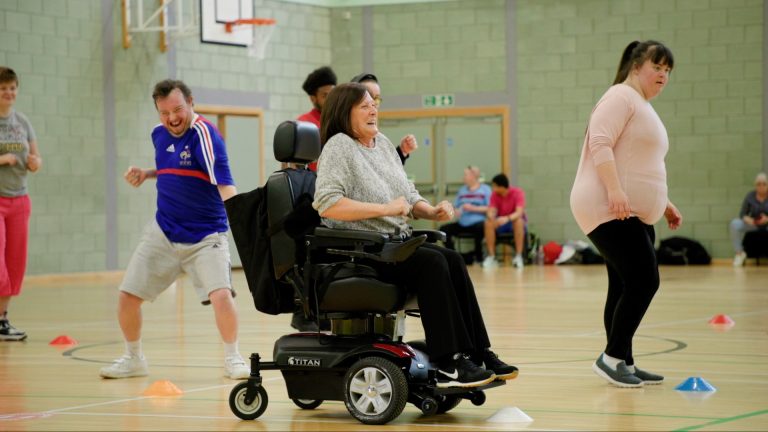
The focus will be on three priority groups: adults aged 65 plus, young people not in education, employment or training (NEETs), and individuals with learning or physical disabilities.
Councillor Louise McKinlay, Deputy Leader and Cabinet Member for Communities, Economic Growth and Prosperity, says: “We’re thrilled that Essex has been recognised nationally for its commitment to digital inclusion. Securing this funding from DSIT’s Innovation Fund is a fantastic achievement and will allow us to make a real difference in the lives of those who are often left behind in the digital world.
“By focusing on older adults, young people not in education or employment, and individuals with disabilities, we’re enabling people to thrive in a digital world, reduce inequality, and inspire lasting change across our communities.”
This funding marks a major step forward in building a more inclusive digital future for communities across Essex and beyond.
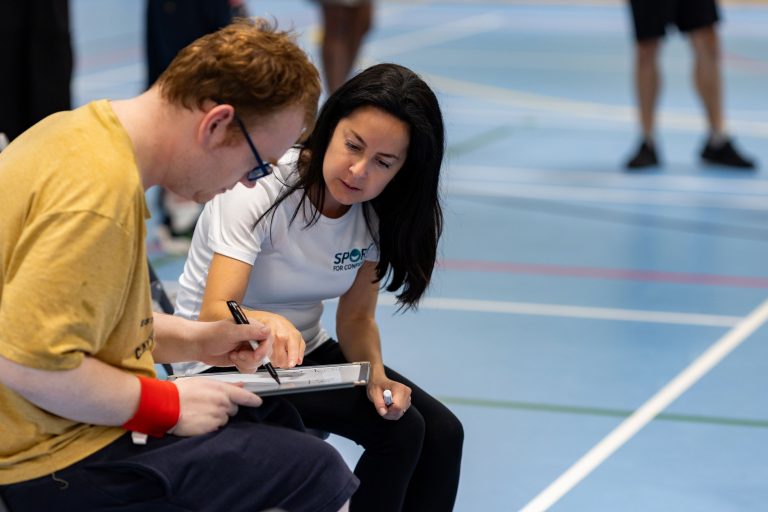
Speaking about Sport for Confidence’s role in the project, Lisa Westhorpe, Occupational Therapist and National Lead, adds: “The team at Sport for Confidence is really looking forward to playing its part in this important community project. As more everyday services move online, a lack of access to technology and inclusive digital skills training can create significant barriers to participation, independence and connection, leaving many people feeling isolated and excluded.
“Our work will focus on supporting digitally excluded individuals to gain access to technology, and understand, navigate and benefit from a range of community-based digital apps. These tools can reduce inequalities by improving access to information, services and opportunities that support people to have choices, and live healthier, more connected lives.
“By working with each individual in a practical, personalised way, we aim not only to build confidence in using specific applications, but also to develop transferable digital skills. This approach supports people to engage more fully with their communities, reduces feelings of isolation, and enables meaningful participation in everyday life.
“Occupational therapists are well placed to lead this work, given their skills in working collaboratively with people and communities, analysing everyday activities, and adapting tasks and the environment to ensure people can participate.
“Throughout the project, we will capture individual progress and develop case studies to demonstrate the impact of this work at both an individual and community level. These insights will help evidence the wider social value of digital inclusion and inform future approaches.”
The Shared Return on Investment Research Project will run during early 2026.
For more information about the Digital Inclusion Innovation Fund visit: Digital Inclusion Innovation Fund: grant recipients – GOV.UK
For more information on the Shared Return on Investment Project from Essex County Council, visit: £375,000 secured to tackle digital exclusion in Essex | Essex County Council